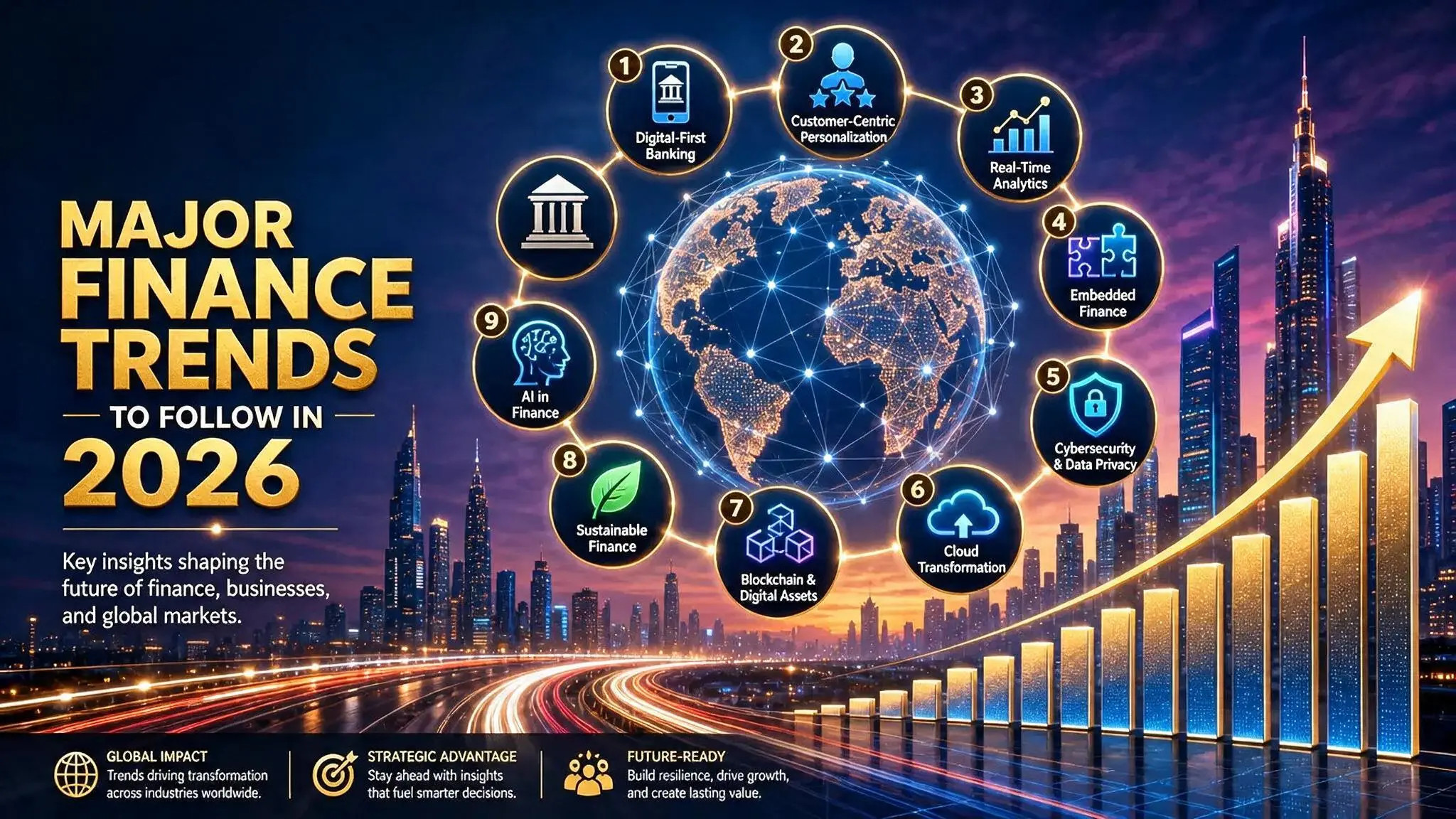
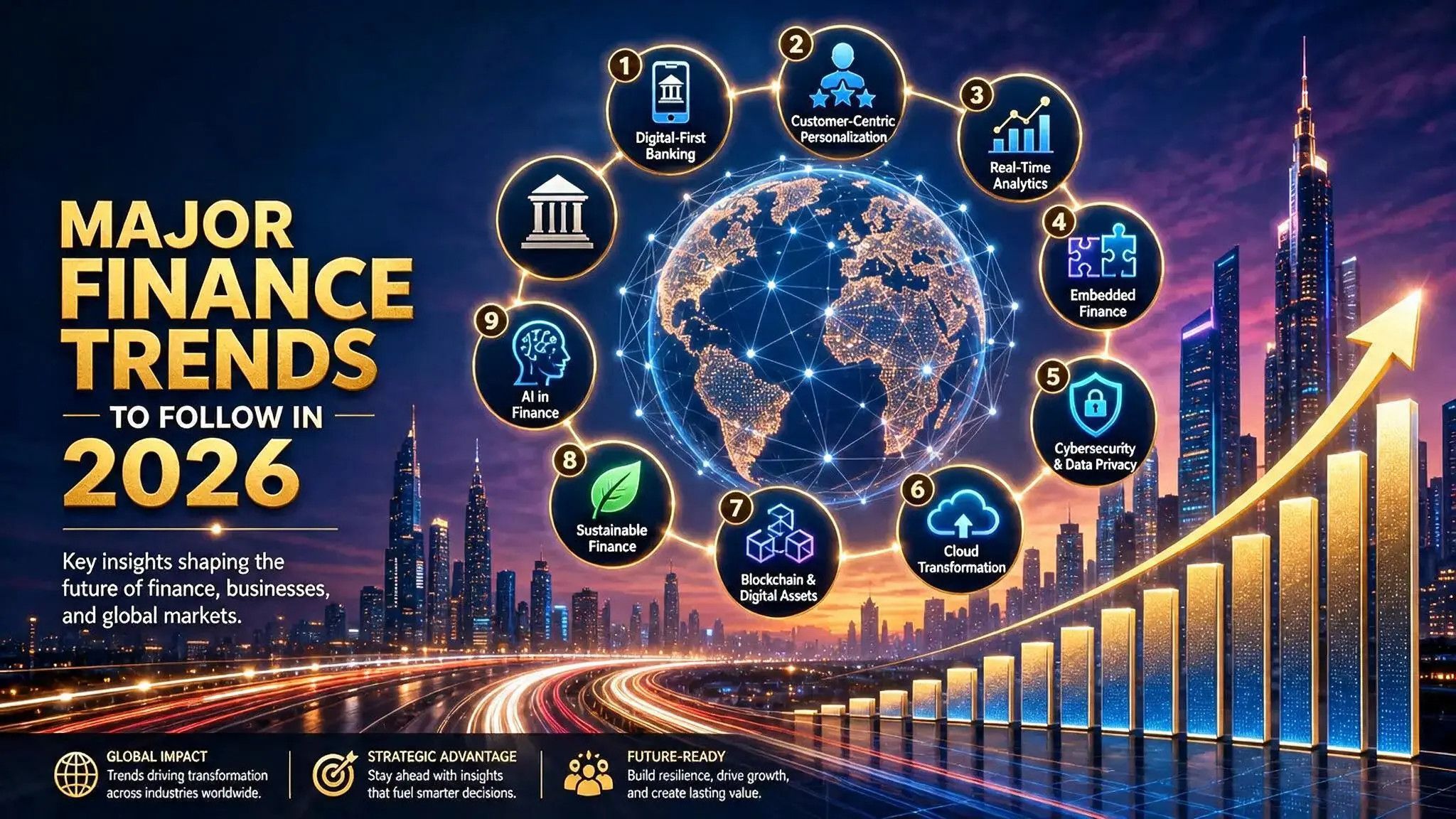
India's financial system is undergoing significant transformation. From digital banking and fintech innovation to affordable lending and MSME finance, new business models are changing how individuals and businesses access financial services.

India's financial system is undergoing significant transformation. From digital banking and fintech innovation to affordable lending and MSME finance, new business models are changing how individuals and businesses access financial services.

India's financial system is undergoing significant transformation. From digital banking and fintech innovation to affordable lending and MSME finance, new business models are changing how individuals and businesses access financial services. India's financial system is undergoing significant transformation. From digital banking and fintech innovation to affordable lending and MSME finance, new business models are changing how individuals and businesses access financial services.


1. Growth of Fintech and Digital Finance

1. Growth of Fintech and Digital Finance

Investing means committing money or capital to an endeavour with the expectation of obtaining an additional income or profit. Unlike saving, investing carries risk, but also offers the potential for higher returns.

India Fintech Market Size, 2025–2034

India Fintech Market Size, 2025–2034

The India fintech market is projected to grow from USD 142.5 billion in 2025 to USD 642.9 billion by 2034.

India fintech market size (USD billion): 2025: 142.5, 2026: 166, 2027: 194, 2028: 227, 2029: 265, 2030: 309, 2031: 360, 2032: 421, 2033: 491, 2034: 642.9
View India fintech market data
India fintech market size from 2025 to 2034
Year Market Size (USD Billion)

2. Rise of Affordable Finance

2. Rise of Affordable Finance

This connects well with the original article's discussion of the bottom of the pyramid and affordable finance. The current article already mentions affordable and MSME segments.

Investment Fact Box

86% of millionaires say investing was a key factor in their wealth.

Types of Investments

Stocks

Equities represent ownership in a company. Historically, stocks have provided the highest returns over the long term

Bonds

Fixed-income securities that pay interest. They are generally safer than stocks but offer lower returns.

Mutual Funds & ETFs

Diversified portfolios managed by professionals. Ideal for beginners.


Tip: Start with low-cost index funds to get broad market exposure with minimal fees.


Beginner Mistakes

Emotional trading – buying high and selling low.

Not diversifying – putting all money in one stock.

Ignoring fees – high expense ratios eat returns.


Warning: Avoid "get rich quick" schemes. Consistent, long-term investing is the proven path.
Example: If you invest $500/month at 8% annual return, after 20 years you'll have over $285,000.

Ready to Build a Career in Finance?

Industry-Ready Curriculum
Job-Ready Training
Placement Assistance
Explore Courses

Frequently Asked Questions!

Still Have Questions?

Contact Us, We are happy to help you

1. What is the biggest trend transforming India's financial system right now?

Digital payments and UPI dominance remain the standout trend — India's UPI is the world's largest retail real-time payment system, processing nearly 49% of all global real-time transactions. Beyond basic transfers, the space is now maturing into AI-driven fraud detection, credit-on-UPI, CBDCs, and cross-border payment rails.

2. Is fintech growth in India expected to continue?

Yes, strongly. India's fintech industry is currently valued at USD 111 billion and is estimated to reach USD 421 billion by 2029, making India home to the 3rd largest fintech ecosystem globally.

3. How is credit and lending in India changing?

There's a structural shift away from pure bank dominance. The traditional dominance of banks in providing credit is beginning to decline, with other participants and products increasingly filling that role. Consumer credit specifically has surged — its share in total bank loans rose from 18.3% in FY14 to 32.4% in FY24.

4. What regulatory changes are shaping the financial system?

Tax and compliance reform is a major thread: the Income-Tax (No. 2) Bill, 2025, replaces the six-decade-old Income-tax Act of 1961 from April 1, 2026, cutting sections from around 819 to 536 to simplify compliance. On payments, regulators are pushing data localization — keeping financial transaction data and cryptographic keys stored within Indian borders — and diversifying market share among UPI providers to reduce concentration in players like PhonePe and Google Pay.

5. How healthy is the banking sector overall?

Fairly resilient. Moody's projected a stable outlook for India's banking sector in February 2026, citing 6.4% economic growth expected in FY27 and low system-wide non-performing assets of 2–2.5%. Deposits are also climbing — bank deposits grew to Rs. 25,715,528 crore (roughly USD 2,832.5 billion) by February 2026 — though some volatility has surfaced, like Axis Bank's trading-income miss earlier this year that raised questions about non-interest income stability.